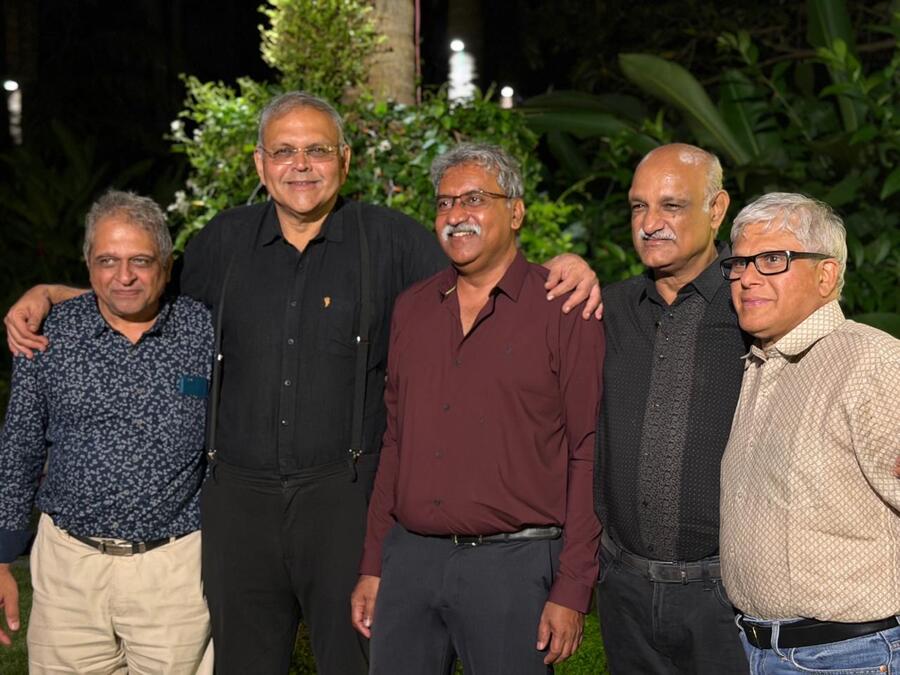
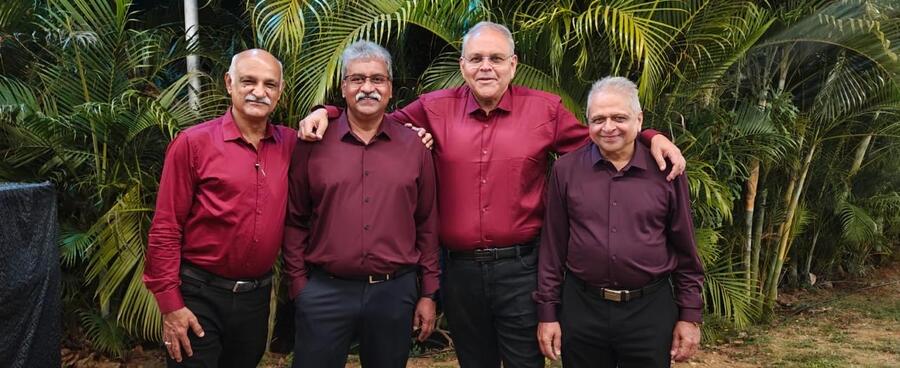
There is a particular kind of laughter that only decades of friendship can produce. It's not polite, not restrained. It's the full-bodied, tear-inducing kind that comes from shared memories so deeply embedded they've become mythology. When R. Vijaya Shekar, Rajesh Darira, Sunil Kumar C.S., J. N. Ravindra Rao, and Sriram K. get together, and they do so with remarkable regularity, that laughter fills the room within minutes.
They have all turned 60. Every last one of them. But to a man, they will tell you the same thing: the number means nothing. What matters is that they're still here, still together, still laughing. Five and a half decades of friendship, and counting.
"People talk about friendships fading as you get older," says Vijaya Shekar at their usual spot in Mysuru. "I don't understand that. These men are my brothers. We didn't drift apart because we never let each other go."
Five-Year-Olds with a Fifty-Five-Year Bond
The story begins in 1970, at the CFTRI school in Mysuru. Five little boys, barely old enough to tie their own shoelaces, found themselves in the same classroom. They were not remarkable in any obvious way. They were just kids, doing what kids do: sharing tiffin boxes, chasing each other around the schoolyard, getting into the kind of low-stakes trouble that teachers forget by the end of the day.
But something about the bond they formed in those early years was different. It had a quality that neither they nor anyone around them could have predicted. It simply refused to break. As they moved through school, through the awkward years of adolescence, through the uncertainty of figuring out what they wanted to be, the five of them stayed close. Not because anyone told them to, but because it never occurred to them not to.
"We didn't make a decision to be lifelong friends," Sriram recalls with a laugh. "We just never stopped being friends. There was no moment where we had to choose. It was the most natural thing in the world."
"We were five years old when we met. We didn't know what friendship meant. We just knew we liked being around each other. Fifty-five years later, nothing has changed."
The Mysuru of their childhood was a quieter, slower city. CFTRI school gave them a shared world, a daily rhythm of classrooms and playgrounds and the walk home together. Those years built something in them that the decades ahead would test again and again, and that would hold firm every single time.

Growing Up, Together
As they grew older, life did what life does. It scattered them in different directions. Career paths diverged. Responsibilities mounted. The easy, unstructured time of childhood gave way to the relentless pace of adult life, with its jobs, ambitions, and obligations.
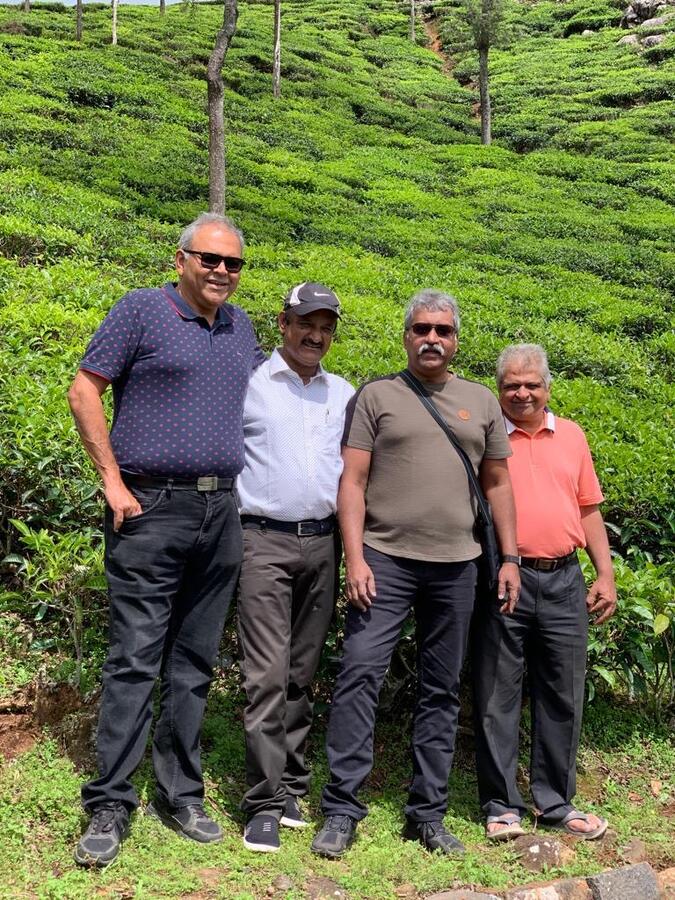
Ravindra Rao, known affectionately to the group as Tingu, moved to the United States. It was the kind of move that, for most friendships, would have been the beginning of the end. Distance has a way of turning close friends into occasional acquaintances, of reducing years of shared history to a yearly phone call on birthdays.
But Tingu would have none of it. He travels back to India regularly, and when he does, the first thing on his agenda is not sightseeing or errands. It's the boys. He lands, he settles in, and he's at the usual spot, picking up conversations as if he'd never left. The group, for their part, treats his arrivals not as special occasions but as the natural order of things. Tingu comes home. That's what he does.
"The distance doesn't matter," Rajesh Darira says, waving his hand as if swatting away the very idea. "Tingu could be on the moon. He'd still find a way to show up."

The Wives Who Completed the Circle

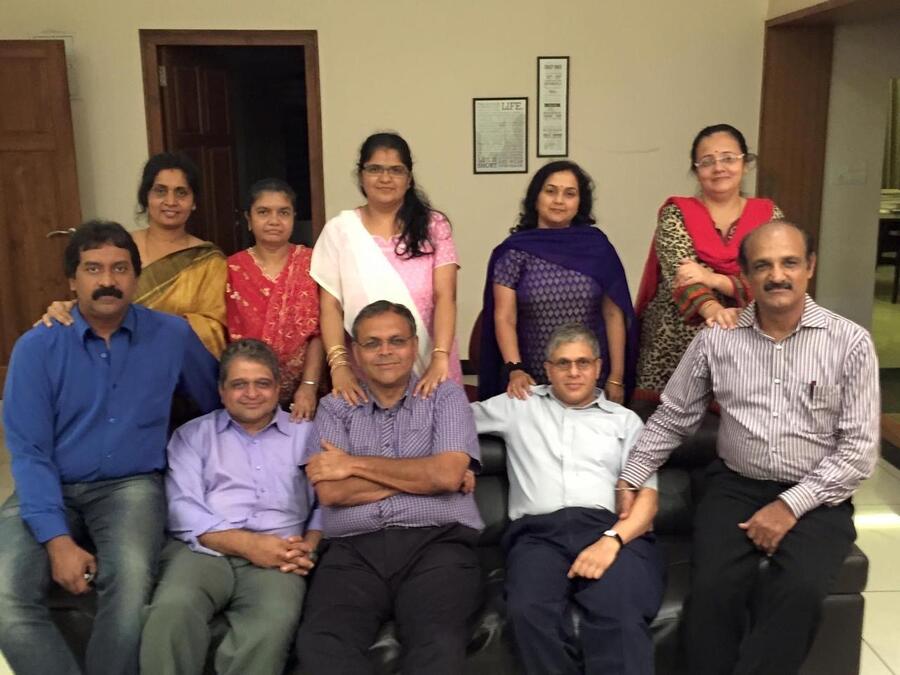
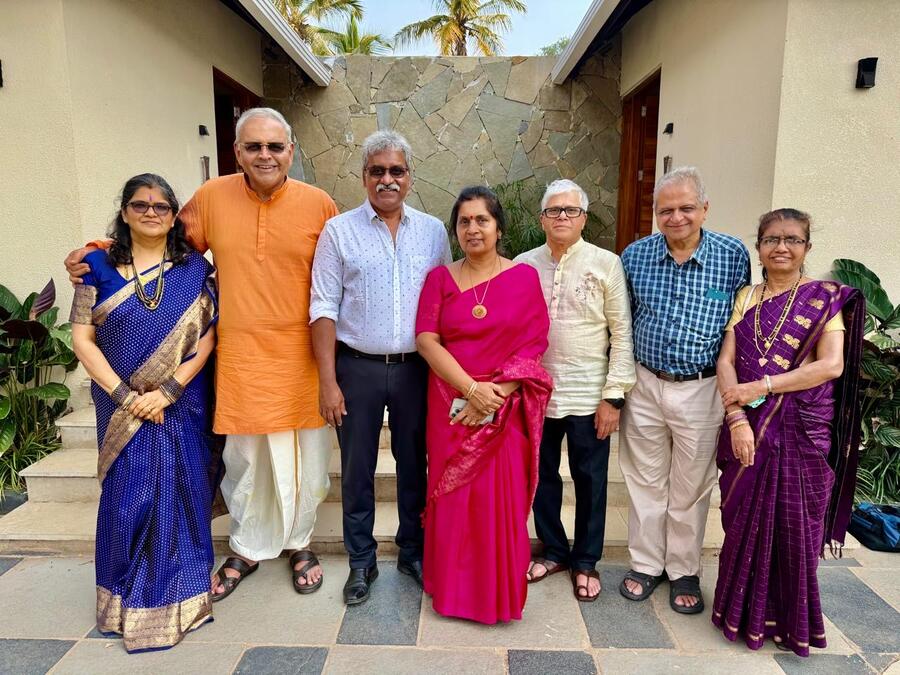
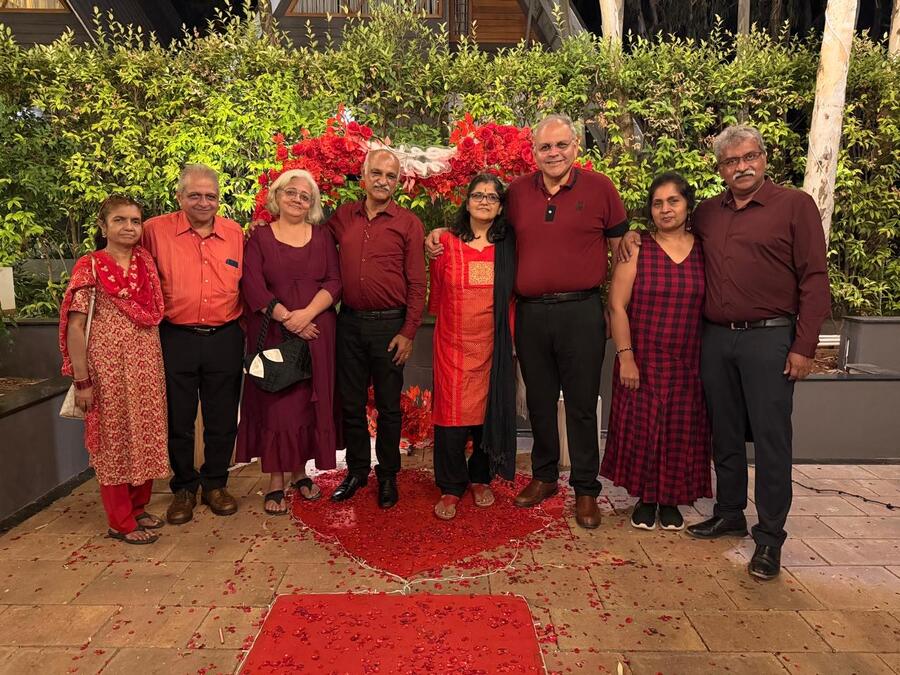
Somewhere around the halfway mark of this fifty-five-year journey, the group grew. One by one, they got married, and their wives entered the fold. Sharadha married Vijaya Shekar. Sangeetha married Rajesh. Rukmini married Sunil Kumar. Girija married Ravindra. Anupama married Sriram. What could have been an awkward collision of worlds turned into something beautiful. The wives didn't just tolerate the friendship. They embraced it, and in doing so, they formed their own bonds with each other.
Today, the group is not five friends. It's five couples, ten people who share a life that extends well beyond the walls of their individual homes. Sharadha, Sangeetha, Rukmini, Girija, and Anupama have become as close to each other as the men are, and the gatherings that once were five guys catching up have become full-family affairs with food, stories, and the easy warmth of people who've known each other for decades.
"Put them in a room together, and they're five years old again," Sangeetha observes with affectionate exasperation. "The jokes don't change. The energy doesn't change. It's quite something to witness, honestly."
Sharadha agrees. "We used to wonder what it was about these five that kept pulling them together. But after a while, you stop wondering and you just feel lucky. Lucky that your husband has this. Lucky that you get to be part of it too."
"We wives have our own version of it now," Anupama adds. "We didn't plan it. It just happened naturally. When your husbands are this close, you can't help but become close yourself. Rukmini and I talk almost every day. Girija calls the moment she's in town."
Rukmini laughs when she hears this. "It's true. When Girija visits from the US with Ravindra, it's not just the men who are excited. We all are. The house is suddenly full again."
Sunil Kumar nods when told about his wife's observation. "She's not wrong," he admits. "When we're together, the years just fall away. We forget we're sixty. We forget about the grey hair and the reading glasses. For a few hours, we're just those kids from CFTRI school again."

Multiple Times a Week, Every Week
Here is the part that astonishes people who hear about this group for the first time. These five men, now sixty years old with full lives, families, careers, and all the complications that come with six decades on this planet, still meet multiple times a week. Not once a month. Not on special occasions. Multiple times a week.
They meet for coffee. They meet for walks. They meet for no reason at all, simply because a day without seeing at least one of the others feels incomplete. Their homes are open to each other in the way that only the deepest friendships allow, where you don't ring the doorbell, you just walk in.
"It's not something we schedule," Vijaya Shekar explains. "It's just how our days work. You wake up, you go about your morning, and at some point, you end up with one or two of the others. It's like breathing. You don't think about it."
They share everything in these meetings. The happy news comes first, always. A son's promotion. A daughter's achievement. Good news from the kids. But the hard things come too, spoken quietly over a second cup of coffee. Health worries. Financial concerns. The losses that accumulate as you get older. They carry each other through all of it, not with grand gestures, but with the simple, steady act of showing up.

A Surprise Party Every Decade
The group has a tradition that has become legendary among their families. Every ten years, when the milestone birthdays come around, they throw each other surprise parties. Not one party for the group. A separate surprise for each man, planned with the kind of secrecy and precision that would make intelligence agencies proud.
The 40th birthdays were memorable. The 50th birthdays were spectacular. And now, as they've all turned 60, the tradition has continued with the same enthusiasm and the same childlike joy in catching each other off guard. Tingu flies in from the US for each one, timing his trips to coincide with the birthday calendar, sometimes making multiple trips in a single year to make sure he doesn't miss any of them.
"The surprise never works anymore," Rajesh confesses, grinning. "After fifty-five years, we know each other too well. But we all pretend to be surprised, and that's half the fun."

"There's no pretense with these men. They've seen me at my worst. They've seen me fail. And they're still here. That's not friendship. That's family."

The Next Generation
The children of these five men grew up in each other's houses, celebrated each other's birthdays, and formed their own version of the bond their fathers share. Vijaya Shekar's sons Vishal and Rahul. Rajesh's children Aditya and Diya. Sunil Kumar's daughter Sharanya. Ravindra's son Shishir. Sriram's sons Rajiv and Sanjiv. They didn't choose each other any more than their fathers did. They simply grew up together, and the friendship stuck.
"We didn't really have a choice," Vishal says, laughing. "Our dads were always together, so we were always together. But even if we'd had a choice, we would have picked each other anyway. These guys are family."
Diya agrees. "Growing up, I had so many uncles and aunties that I never questioned it. Every gathering was the whole group. Every festival, every holiday. It was only when I got older that I realized how rare that is. Most people don't have that."
Shishir, Ravindra's son, has a unique perspective, having grown up partly in the US. "Every time we visited India, it was like we'd never left. Rahul, Aditya, Sharanya, Rajiv, Sanjiv, everyone would just pick up where we left off. That's something I got from watching our dads. Distance doesn't end anything. You just keep showing up."
"Our dads' friendship taught us what loyalty looks like," Rajiv adds. "It's not a word they use much. They just live it. And we grew up seeing that every single day."
Sharanya puts it simply. "I have one father, but I grew up with five. That's what this group gave all of us kids. Not just extra uncles and aunties, but a whole second family that was there for everything, the good stuff and the hard stuff."
Sanjiv nods. "And now we have our own group chat. We have our own plans. We're carrying it forward whether we meant to or not."
Aditya smiles at that. "I think our dads would say they didn't raise us to be friends with each other. They just raised us in the same room, at the same table, and let it happen. And it did."
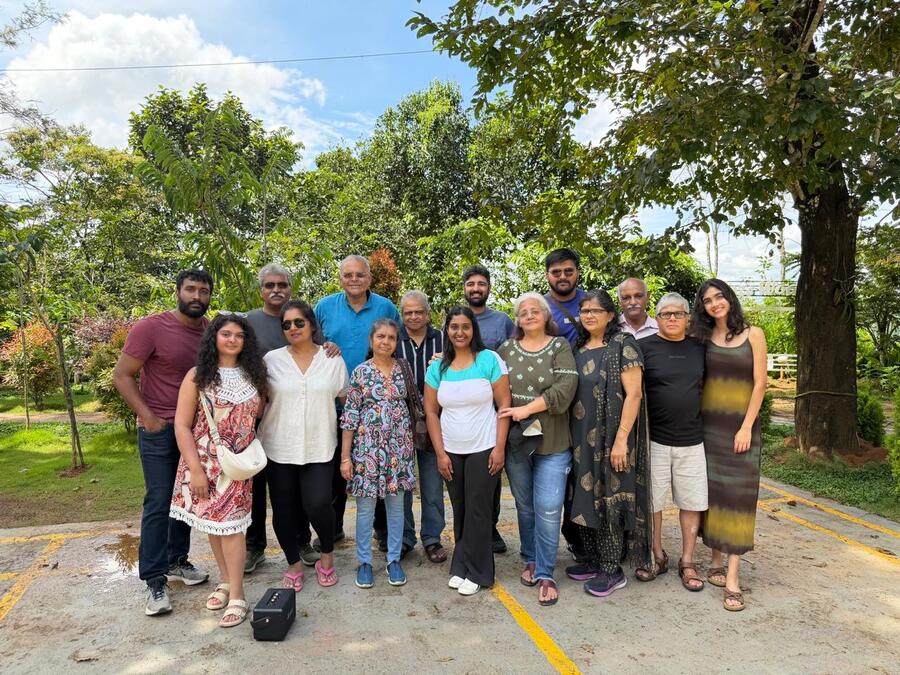
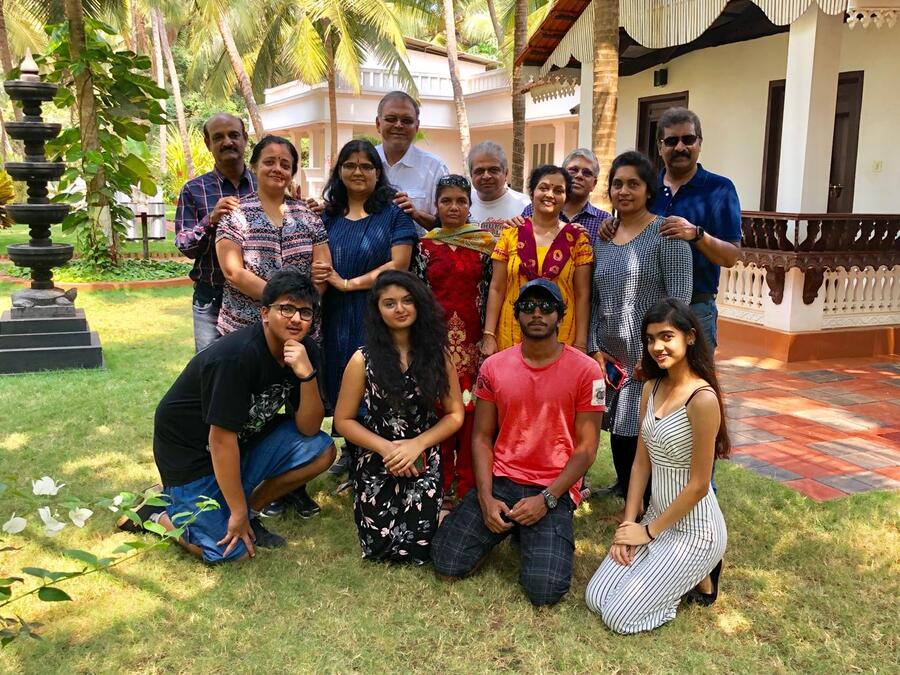
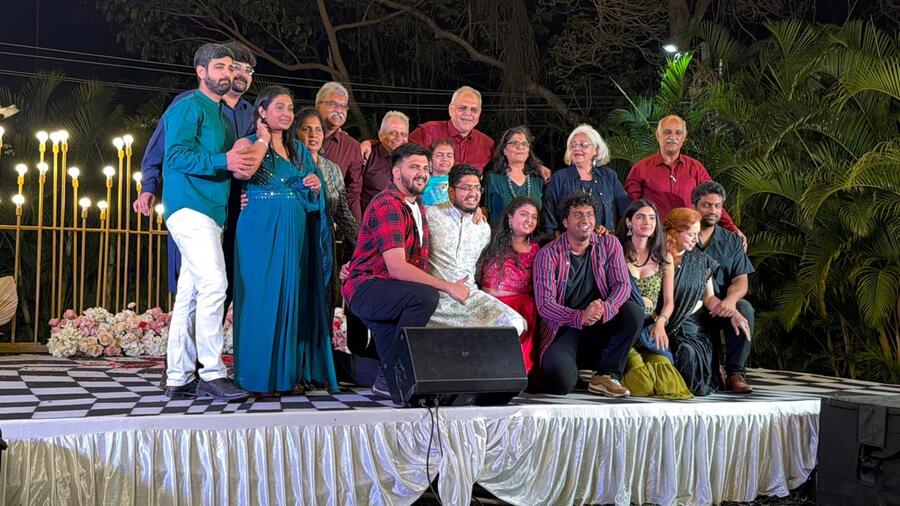
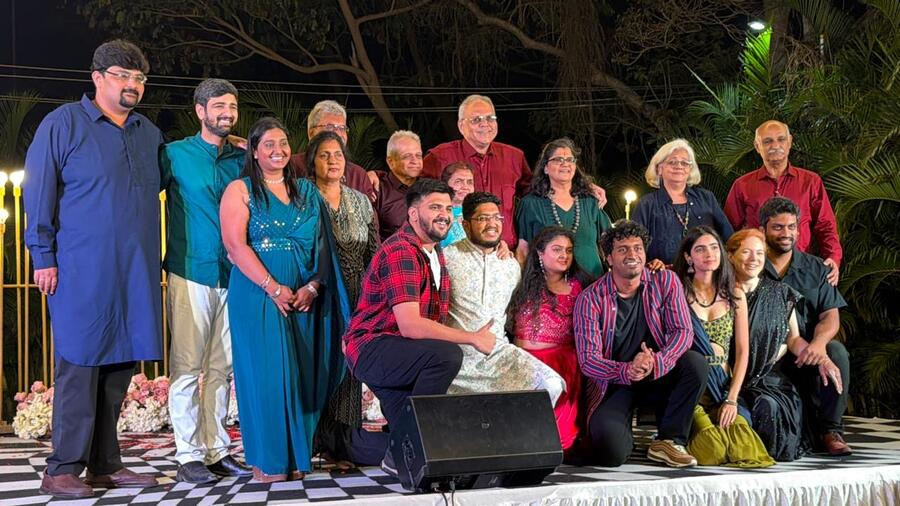
Girija, Ravindra's wife, gets emotional when she talks about watching the children carry the bond forward. "That's the real gift," she says quietly. "Not just that these five men stayed friends for fifty-five years. But that their children look at each other the same way. That's how you know it's real."
Sixty and Thriving
As the milestone birthdays have all come and gone this year, the group has marked each one with their characteristic blend of sentimentality and silliness. There have been the surprise parties, of course. Gag gifts that reference inside jokes so old they require a full retelling to explain to anyone who wasn't there in 1975. And toasts. Always toasts. The kind that start with a joke and end with someone quietly wiping their eyes.
They are, by any measure, thriving. They've raised children they're proud of. They've built careers that provided meaning as well as security. They've maintained marriages with the same combination of effort and grace that they've applied to their friendships. And through all of it, they've had each other.
The group chat on WhatsApp buzzes at all hours with plans, restaurant recommendations, cricket commentary, old photographs, and the occasional philosophical observation dropped in between memes and good morning messages. When Tingu is in the US, the chat is how he stays woven into the daily fabric of the group. When he's in Mysuru, the chat goes quiet because they're all together in person anyway.
"Sixty isn't old," Sunil Kumar insists, leaning back in his chair with the confidence of a man who has his people around him. "Sixty is when you finally know exactly who you are and exactly who matters. And for us, that's always been each other."
Ravindra, calling in from the US for this interview, sums it up in his own way. "People ask me why I fly back so often. I tell them the same thing every time. My best friends are in Mysuru. They've been my best friends since I was five. Why would I not go back?"
The Lesson They Leave Behind
In an age of social media connections measured in thousands and friendships that exist primarily through screens, these five men from CFTRI school stand as a quiet rebuke to the modern notion that relationships are disposable. Their fifty-five-year friendship is a masterclass in showing up, in choosing each other, in doing the unglamorous work of maintaining bonds across the years, across oceans, across all the changes that half a century brings.
As our conversation wraps up and they begin their familiar ritual of arguing about where to eat next, I'm struck by something Vijaya Shekar said earlier, almost as an aside: "The secret isn't complicated. Find good people. Then never let go."
Looking at this group of five, laughing, teasing, planning, living, it's clear they figured that out a long time ago. Back in 1970, in a classroom in Mysuru, when they were just five little boys who decided they liked each other. And at sixty, with Sharadha, Sangeetha, Rukmini, Girija, and Anupama beside them, and Vishal, Rahul, Aditya, Diya, Sharanya, Shishir, Rajiv, and Sanjiv carrying the torch forward, they have no intention of letting go now.
This article appears in the 30 March 2026 edition of Star of Mysore.